What the work should include
We map damaged areas and review how they relate to the surrounding finish. Local repair limits the work area but may leave texture differences. Broader skim coating treats a continuous surface, yet still requires sound material and suitable preparation underneath.
Choices to make before work starts
Compare the two options under the planned paint and lighting. If most of a wall has been patched, treating the full wall may provide a more coherent finish. If defects are isolated and the surrounding texture is acceptable, a smaller repair can be more practical.
What affects the estimate and schedule
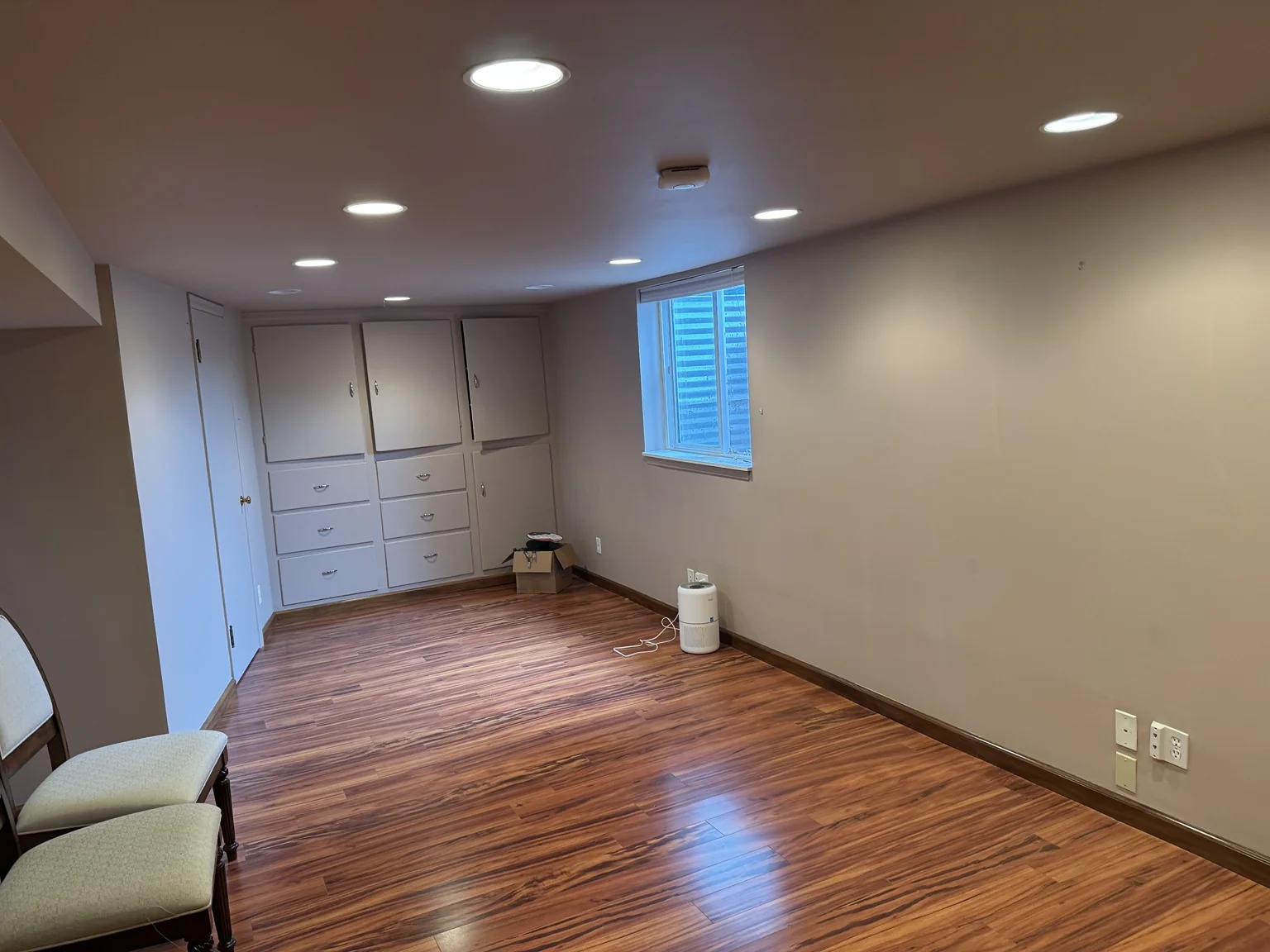
Defect count, texture variation and total treated area affect labor. Send the full wall plus close-ups, and state whether the existing texture should remain.
Helpful project information
- Existing texture in close-up and under side lighting
- Desired smoothness and planned paint sheen
- Trim boundaries and any approved finish sample
A question about this work
Is a full skim coat always better than patching?
No. The appropriate scope depends on the condition, intended appearance and how much of the existing finish you want to preserve.
For technical background, see USG finishing and decorating gypsum panels. Your selected materials and project requirements determine the actual installation or finishing instructions.