What the work should include
We review the texture depth, surface stability and paint condition before defining preparation and skim-coat work. A loose or damaged base needs correction first. The scope should include the intended surface finish and identify whether primer and painting follow as part of the same project.
Choices to make before work starts
Compare a sample of the proposed finish with your expectation for smooth walls. A skim coat changes the surface, but it should not be assumed to correct every irregularity in the framing. Deep patterns and multiple old repairs can require more preparation than a lightly textured wall.
What affects the estimate and schedule
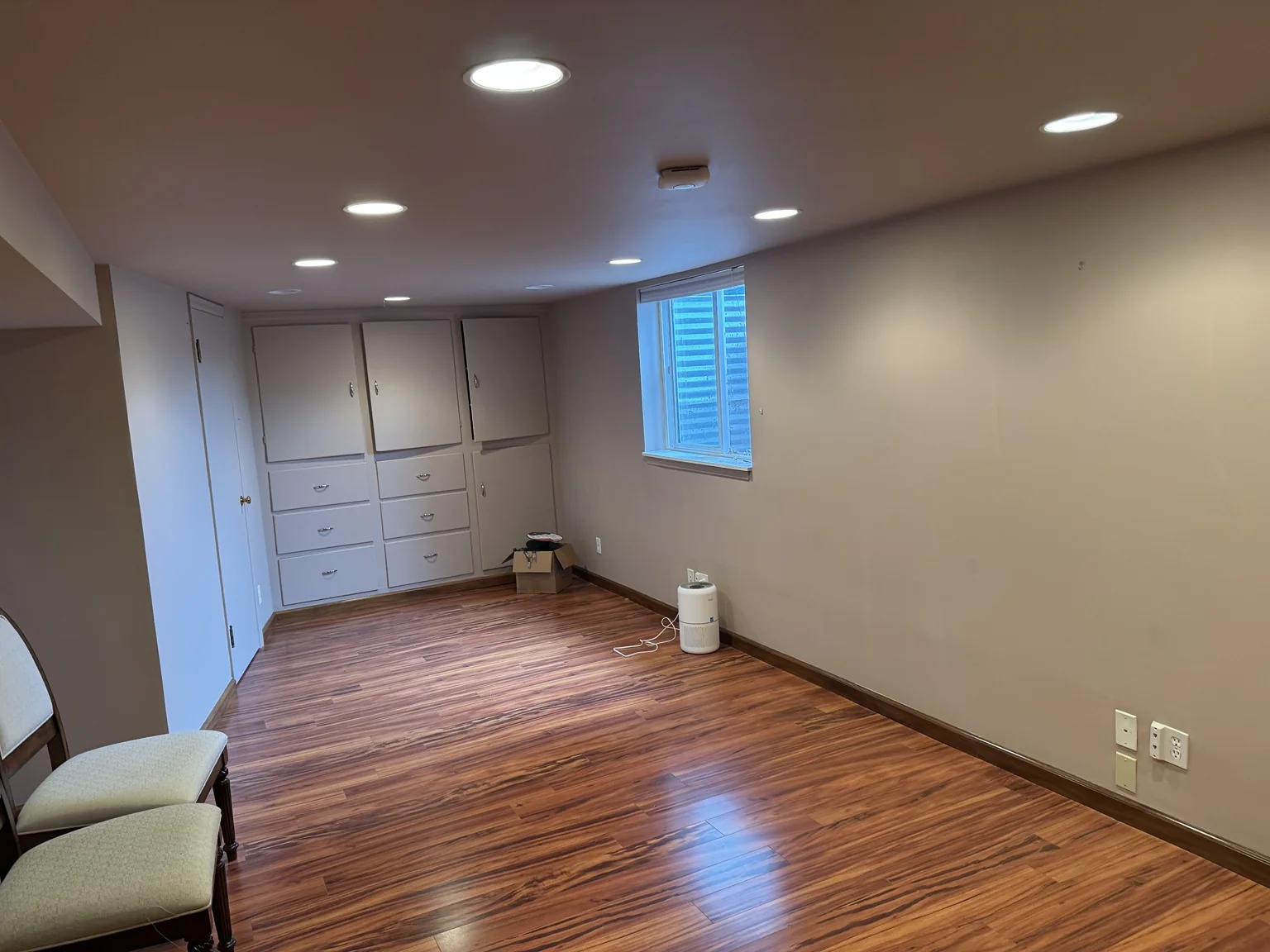
Texture depth, wall condition and room size influence labor. Send close-ups with side light and wide photos showing doors, trim and windows.
Helpful project information
- Existing texture in close-up and under side lighting
- Desired smoothness and planned paint sheen
- Trim boundaries and any approved finish sample
A question about this work
Does every textured wall need new drywall to become smooth?
No. Some sound surfaces can be prepared and skim coated, while unstable or heavily damaged areas may need a different approach.
For technical background, see USG finishing and decorating gypsum panels. Your selected materials and project requirements determine the actual installation or finishing instructions.