What the work should include
We review the wall after removal, identify remaining adhesive and inspect loose paper or coating. Preparation must suit the actual condition. The finishing scope may involve localized repairs and broader skim coating, while wallpaper removal itself should be listed separately if it is still required.
Choices to make before work starts
A sample area helps determine how much work is needed for the selected paint finish. Discuss whether all walls are being treated or only damaged areas. Coating over unresolved adhesive or unstable paper should not be assumed to produce a sound finish.
What affects the estimate and schedule
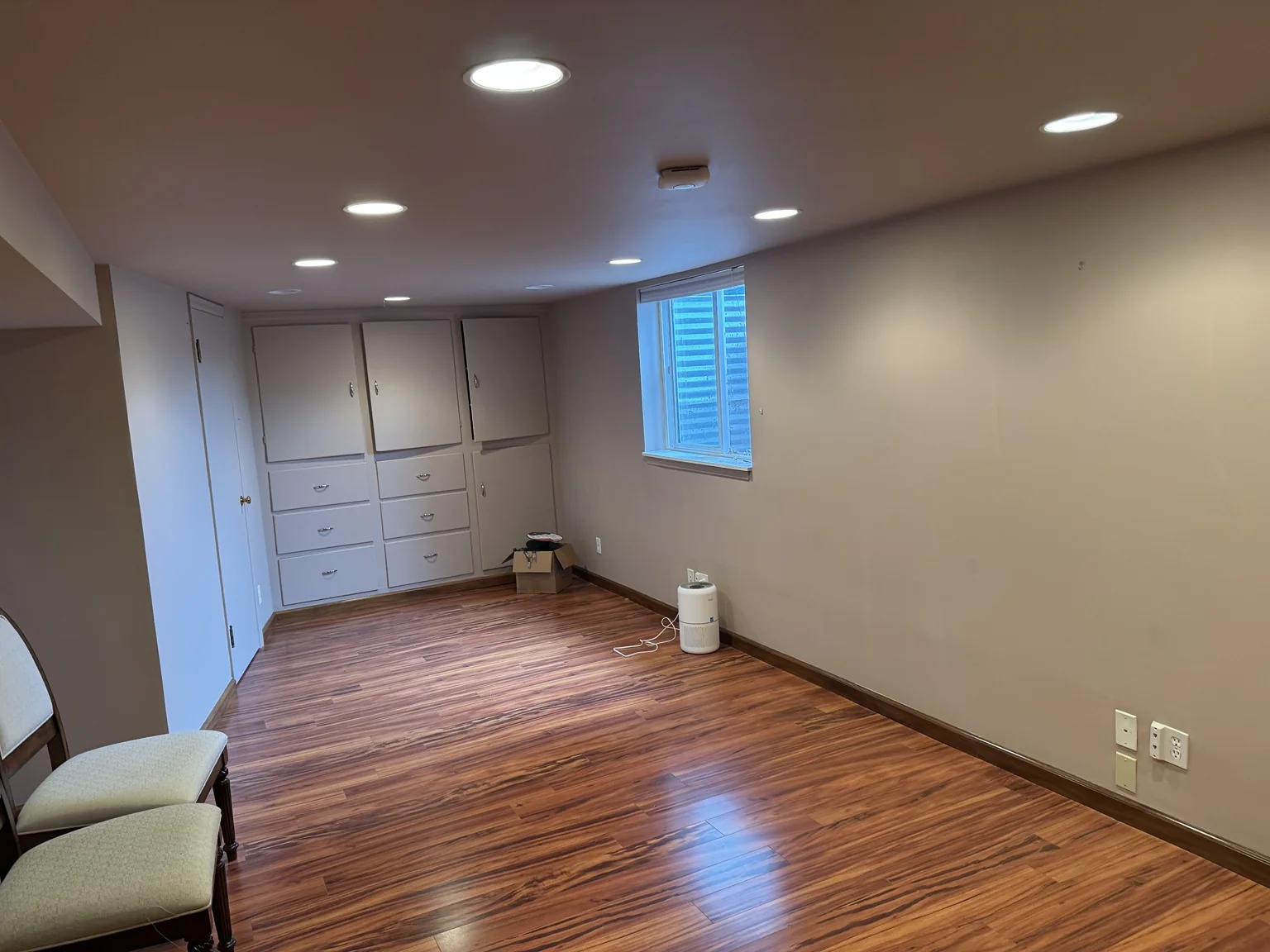
Removal damage, residue and the total finish area affect scheduling. Send close-ups of exposed sections and identify any wallpaper still in place.
Helpful project information
- Existing texture in close-up and under side lighting
- Desired smoothness and planned paint sheen
- Trim boundaries and any approved finish sample
A question about this work
Can skim coating start before all wallpaper is removed?
The final base needs assessment after removal. Hidden adhesive and damage can change the preparation scope.
For technical background, see USG finishing and decorating gypsum panels. Your selected materials and project requirements determine the actual installation or finishing instructions.