What the work should include
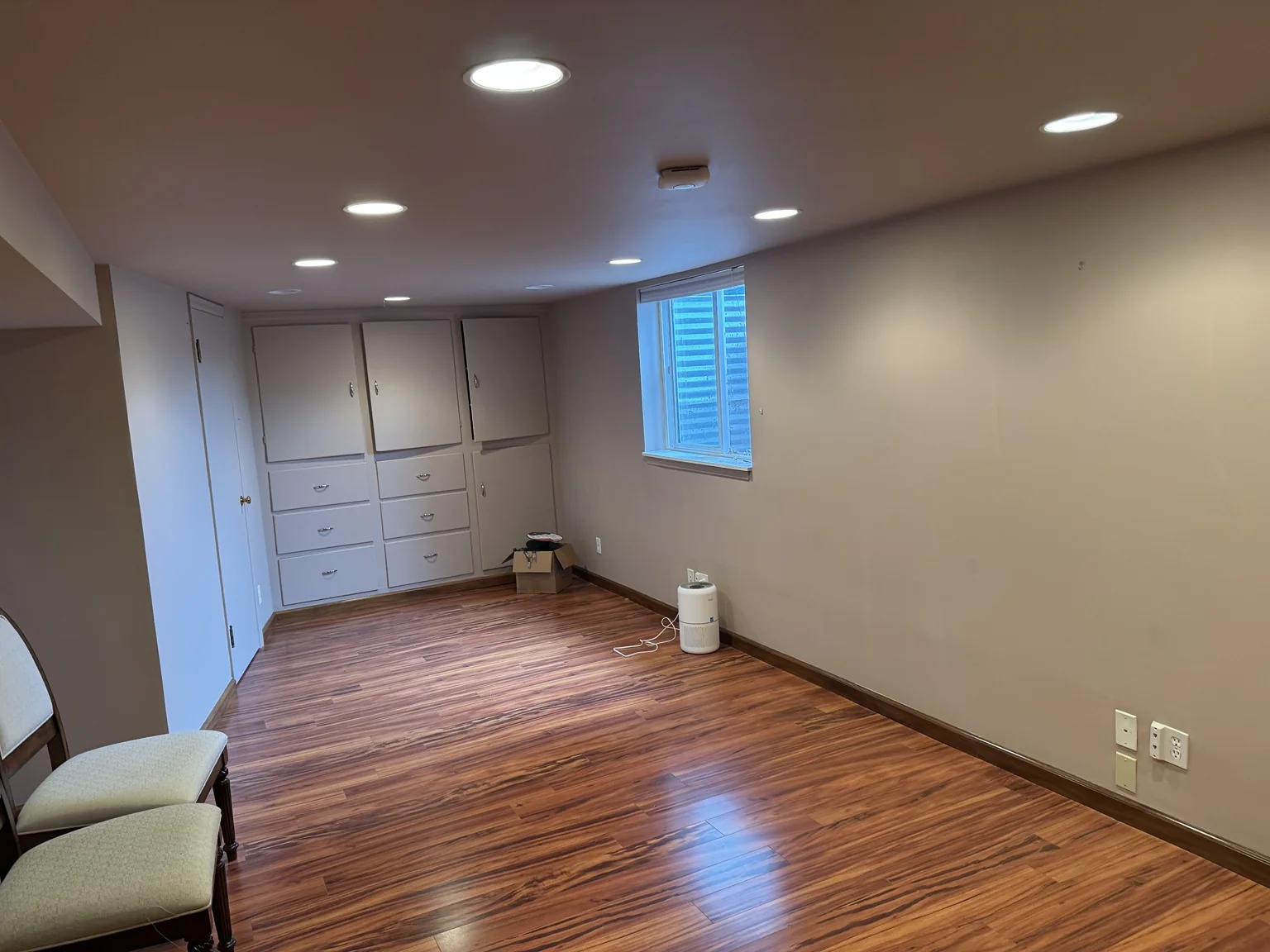
The scope identifies joints, fasteners, corners and any damaged board that must be corrected first. Compound application and sanding are planned around the selected system and drying conditions. Hanging, texture, primer and paint should each be listed so the boundary between trades is clear.
Choices to make before work starts
Choose the finish to suit the intended use of the surface. Concealed utility areas and visible painted rooms may have different requirements. Review a sample when appearance is important, especially where a glossy finish or strong light will reveal more surface variation.
What affects the estimate and schedule
Joint quantity, ceiling work, damaged panels and return visits affect labor. Share photos of the current stage and specify the final paint or texture plan.
Helpful project information
- Wide and close-up photos of the damaged or unfinished area
- Opening dimensions and the intended final finish
- Status of work or repairs behind the wall
A question about this work
Does mudding automatically include primer and paint?
No. Those stages need to be expressly included or assigned to another part of the project.
For technical background, see USG finishing and decorating gypsum panels. Your selected materials and project requirements determine the actual installation or finishing instructions.