
What the work should include
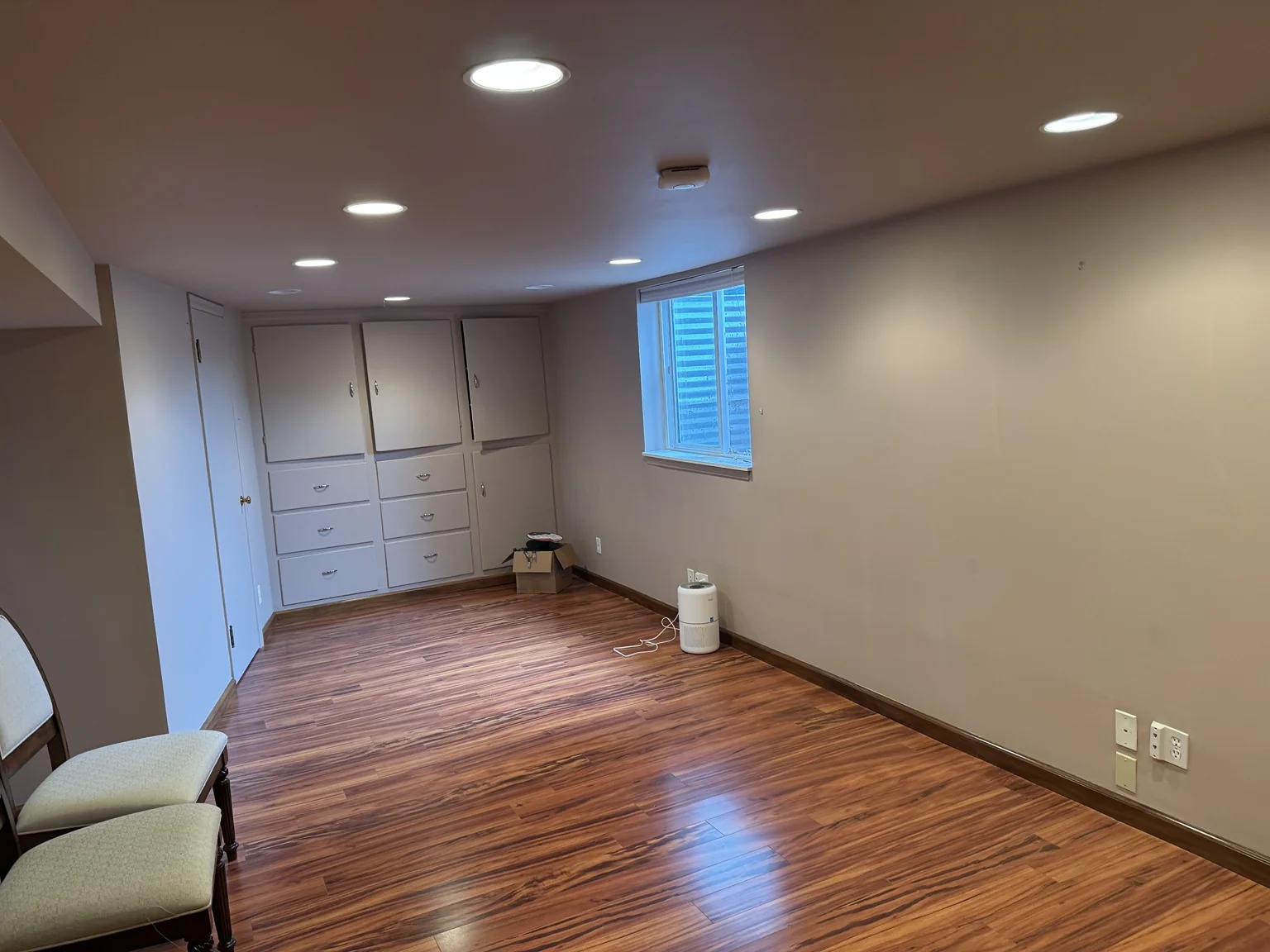
We identify where the accent color begins and ends, review the wall condition and prepare damaged areas before finishing. Confirm whether the color wraps into a niche or stops at an outside corner. A photograph marked with the intended boundaries is more useful than a color name alone.
Choices to make before work starts
Test the color at a realistic size beside adjacent walls, trim and furnishings. Dark or saturated colors can make existing surface variation easier to see. Decide whether outlets, built-ins or a door interrupt the intended focal wall.
What affects the estimate and schedule
Wall repairs, color coverage and complicated boundaries affect the scope. Share a wide photo, approximate dimensions and the selected color and product if available.
Helpful project information
- Which walls, ceilings, doors or trim are included
- Existing paint and close-ups of damaged surfaces
- Room dimensions and furniture access
A question about this work
Should an accent color continue onto the ceiling?
Only if it supports your intended design. Define that boundary before work rather than leaving it as an assumption during painting.
For technical background, see Paint surface preparation guidance. Your selected materials and project requirements determine the actual installation or finishing instructions.